Traditions & etiquette

Every community has a night it sets the table for.

New York is home to speakers of hundreds of languages, and nearly every one of them comes with a festival. We partner with the communities who keep these traditions alive, and we explain the customs so that newcomers feel like guests, not tourists.

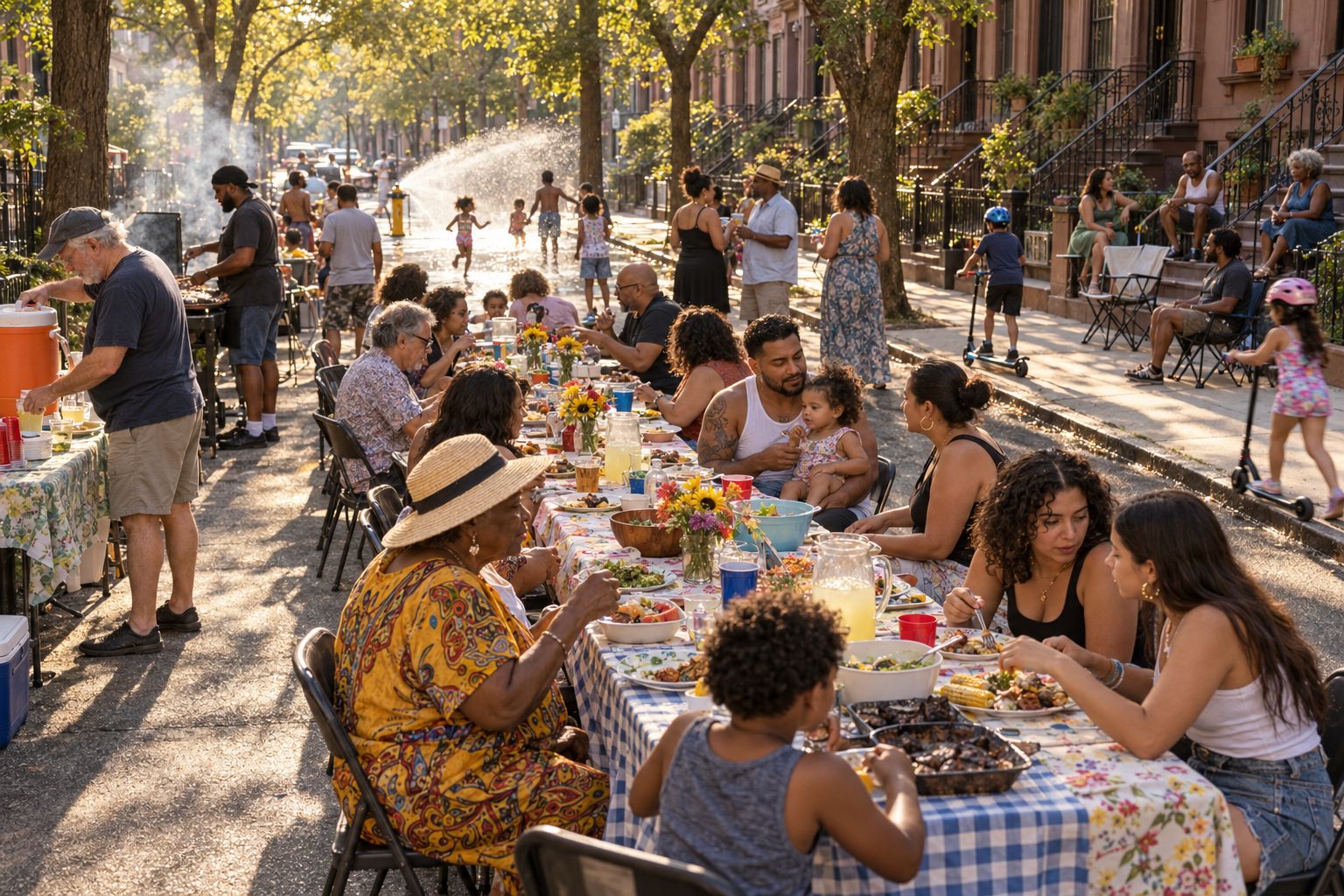
Neighbors of all ages sharing food at long tables down the middle of a Brooklyn brownstone street during a summer block party

Six traditions we host each year

What happens, and how to be a good guest.

Each festival supper is co-hosted with members of the community it belongs to. They choose the menu, tell the story and set the rules. We handle the chairs, the washing up and the bookings.

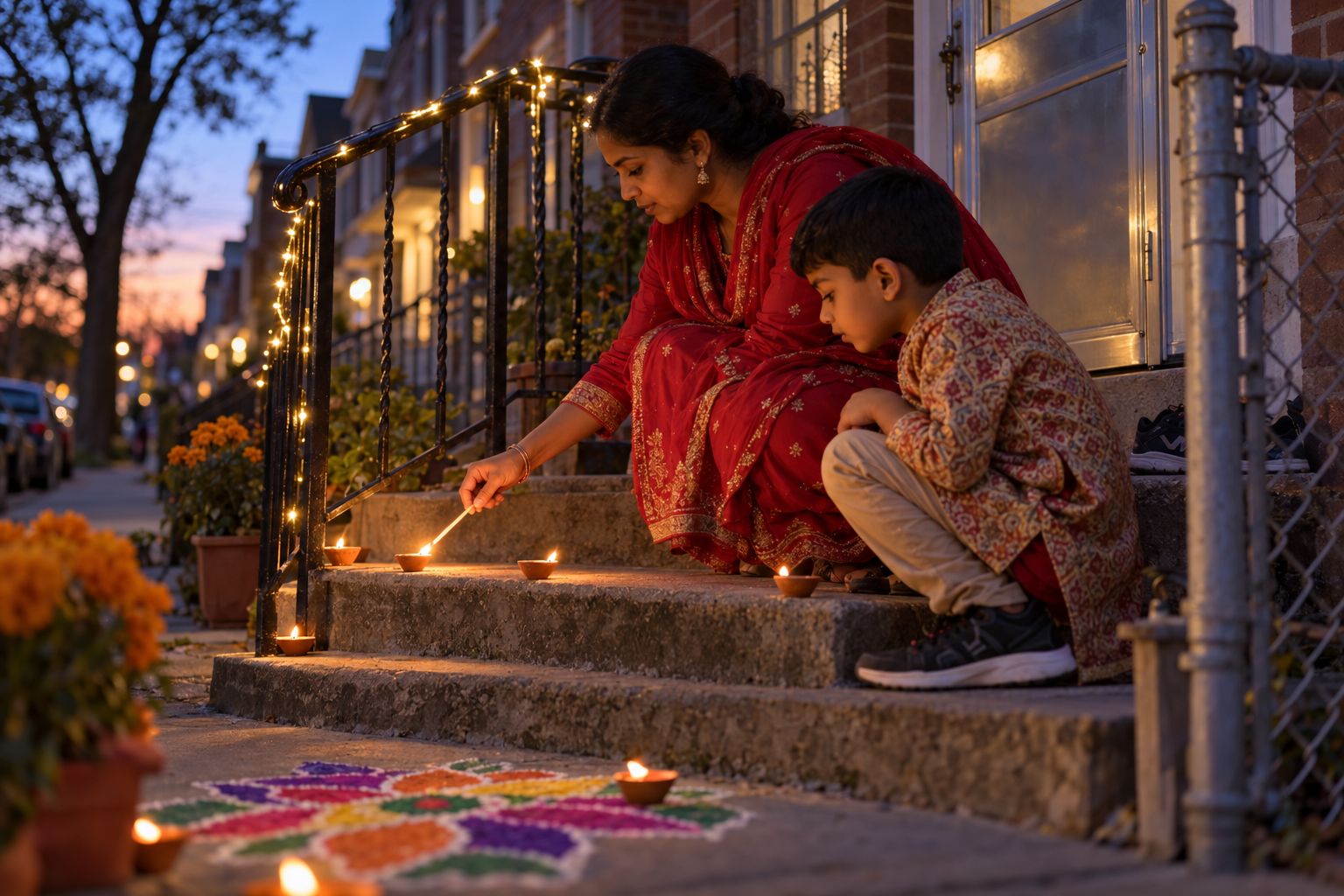
A mother and son lighting clay diyas on the stoop of a Queens house at dusk
October or November

Diwali, the festival of lights

Hindu, Sikh and Jain families light diyas on stoops and windowsills to mark the victory of light over darkness. In Richmond Hill, Jackson Heights and Edison, New Jersey, streets fill with string lights, sweets are exchanged with neighbors, and homes are cleaned top to bottom in the week before.

As a guest: take your shoes off at the door, bring a box of mithai or dried fruit rather than wine, and accept sweets with your right hand.
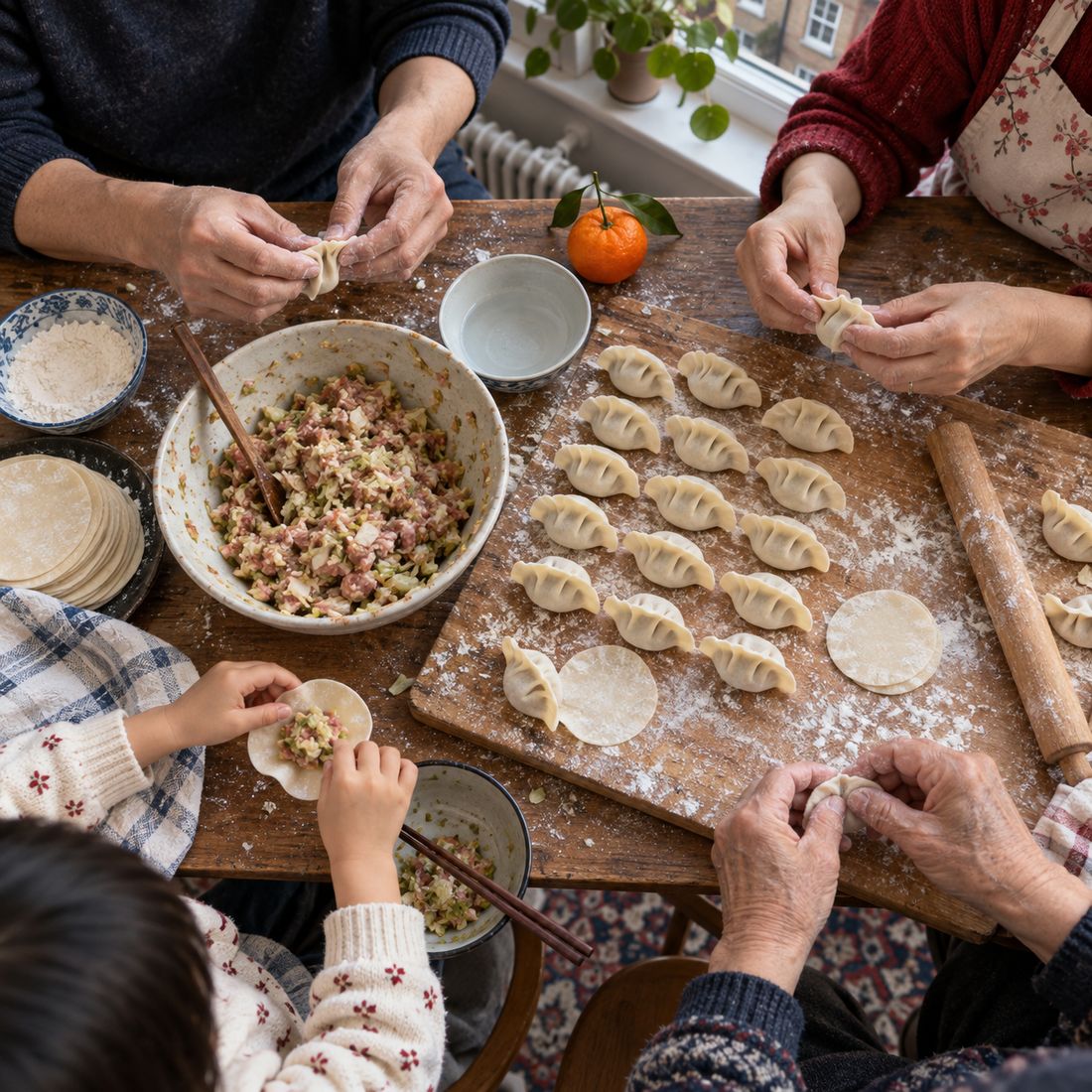
Several pairs of hands folding dumplings on a floured wooden board
January or February

Lunar New Year

Families from Chinese, Vietnamese and Korean communities welcome the new year with a reunion meal. Dumplings shaped like old silver ingots stand for prosperity, and a whole fish is served but never finished, so that there is "surplus" in the year ahead. Lunar New Year has been a New York City public school holiday since 2023.

As a guest: red envelopes are for children and unmarried relatives. Avoid giving clocks or white flowers as gifts.

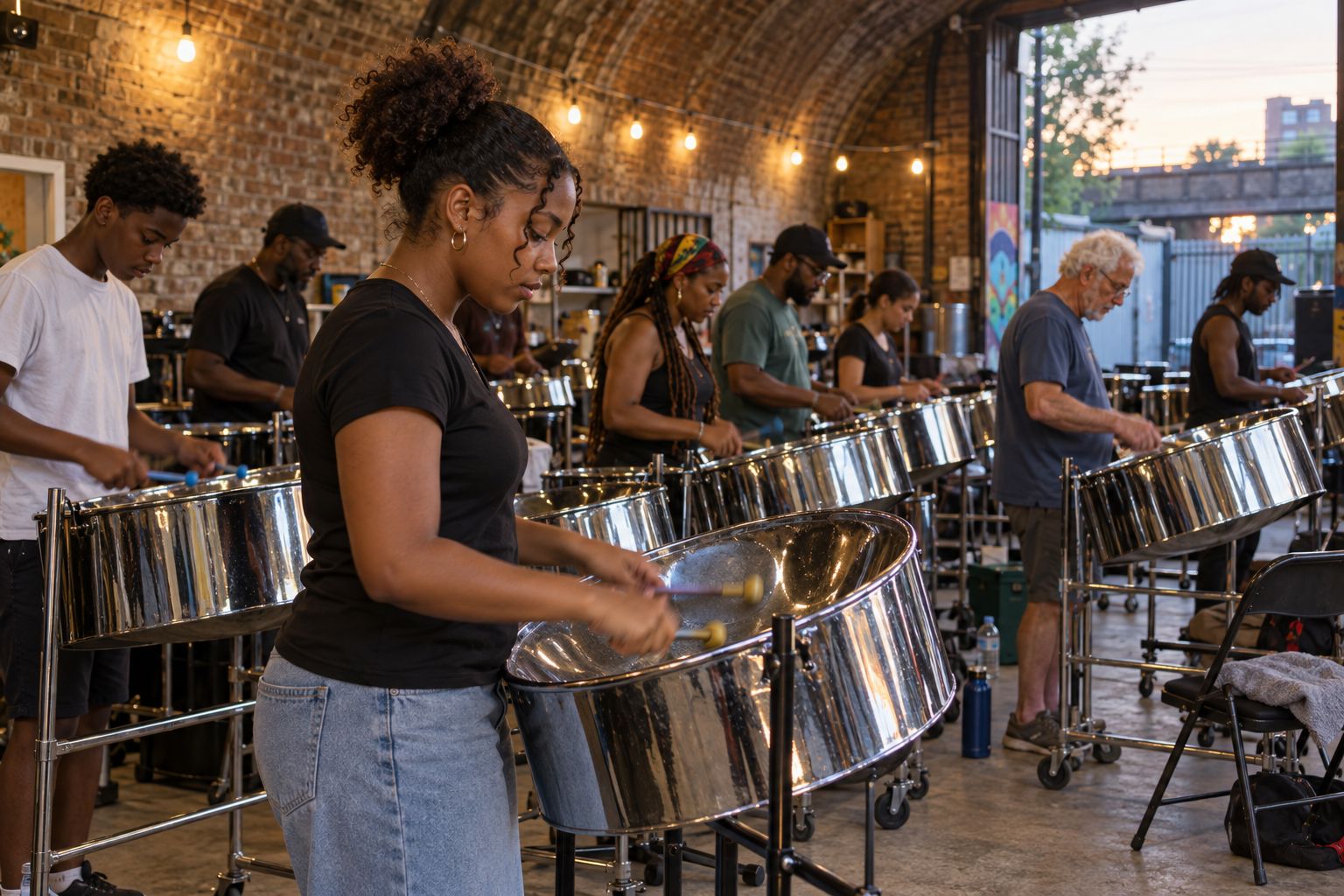
Steel pan players rehearsing in a panyard on a summer evening
Labor Day

West Indian American Day Carnival

Every Labor Day, hundreds of thousands of people line Eastern Parkway in Brooklyn for the biggest Caribbean carnival in North America. For weeks before, steel bands rehearse every night in panyards around Flatbush and Crown Heights, and their Panorama arrangement is a closely guarded secret.

As a guest: panyards welcome visitors at rehearsals. Stand back from the pans, do not touch the instruments, and buy a drink or a plate of food to support the band.

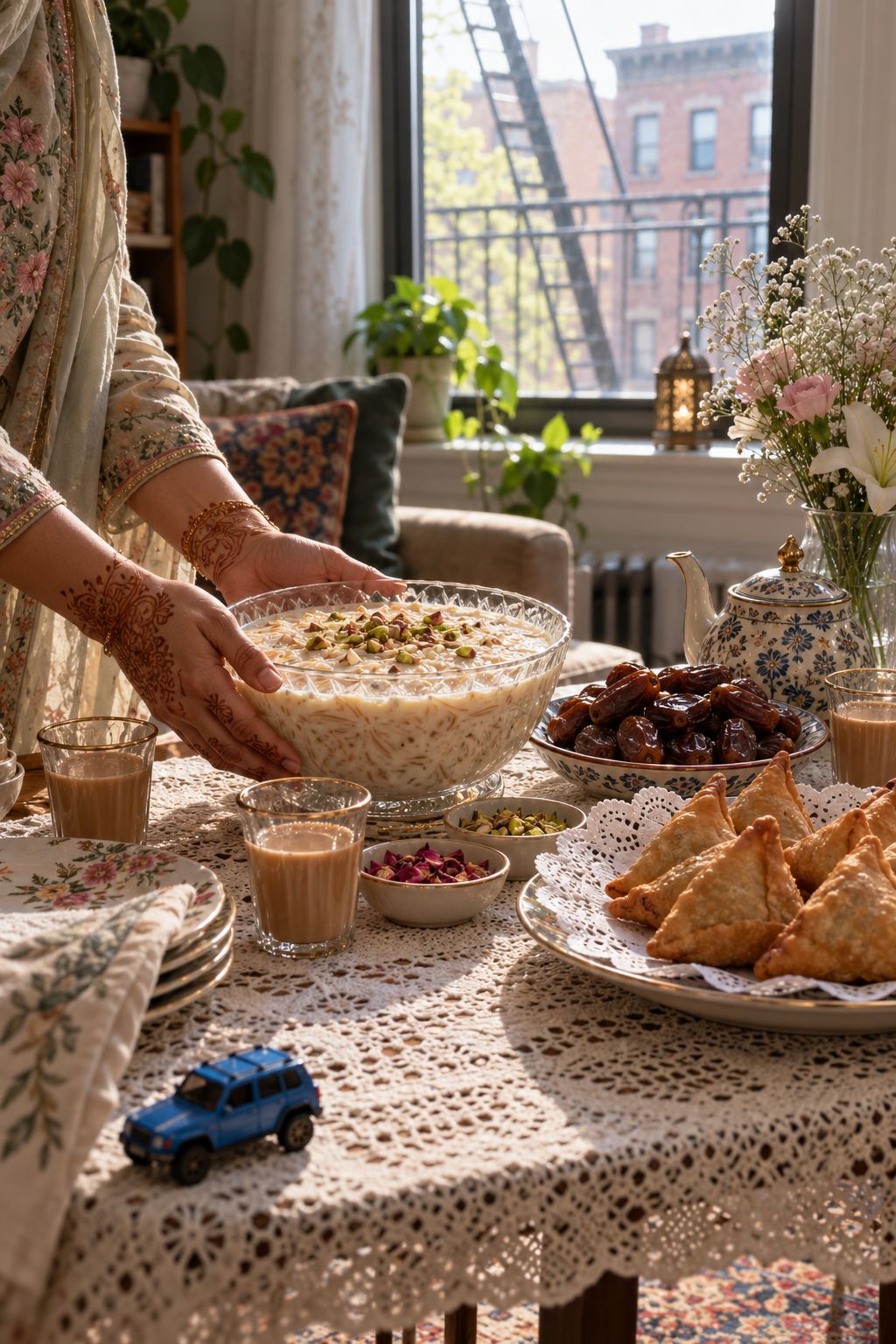
An Eid breakfast table with dates, sheer khurma, samosas and chai in a Brooklyn apartment
Dates follow the lunar calendar

Eid al-Fitr breakfast

After a month of fasting, Eid morning begins with prayers and then breakfast with family and neighbors. In South Asian households, sheer khurma, vermicelli cooked in milk with dates and pistachios, is on every table, and children collect Eidi, small gifts of money, from their elders. New York City public schools close for both Eids.

As a guest: greet people with "Eid Mubarak". Dress modestly and expect to be offered food in every home you visit.

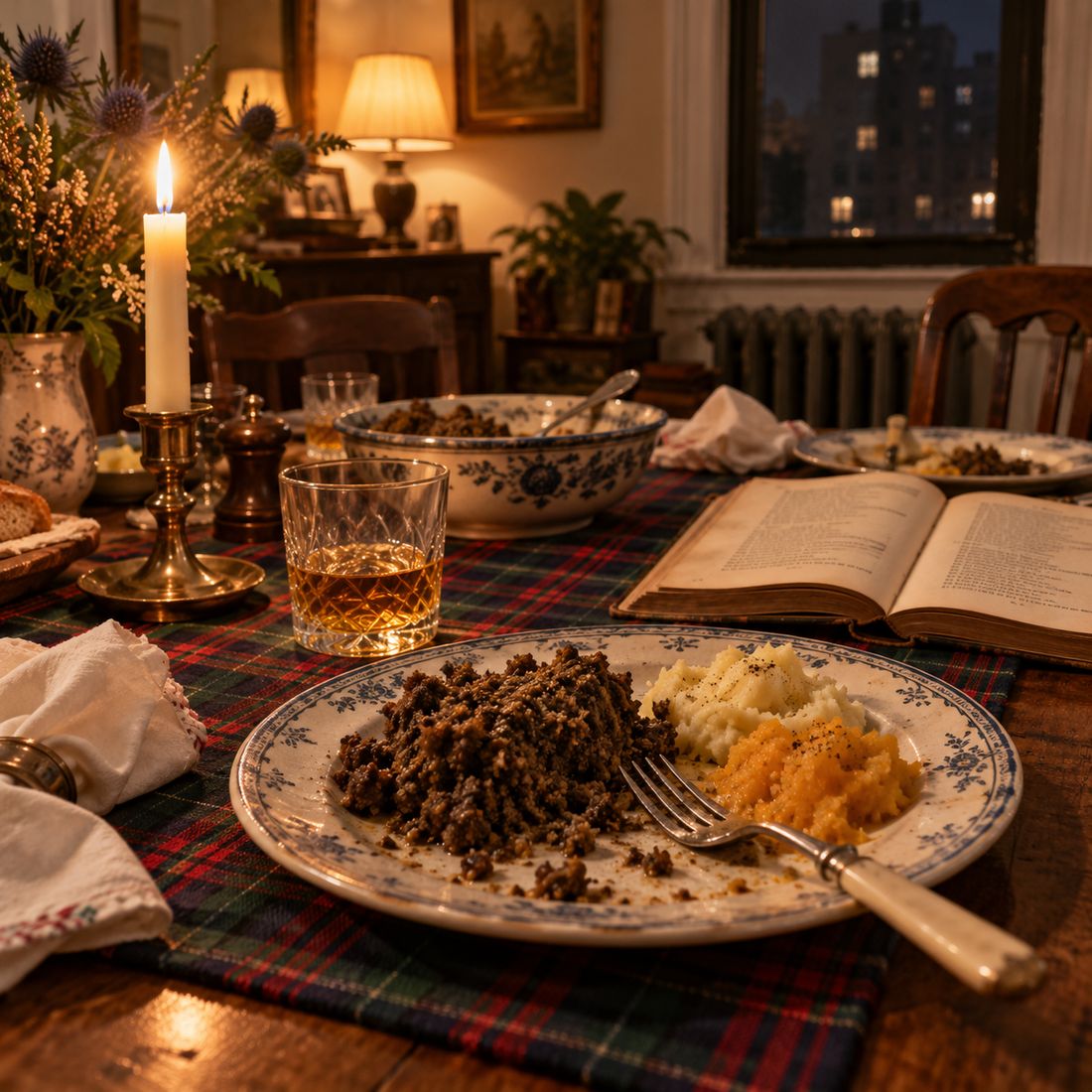
A plate of haggis, neeps and tatties with a glass of Scotch by candlelight
January 25

Burns Night

Scots around the world, and plenty of Scottish Americans, honor the poet Robert Burns with a supper of haggis, neeps and tatties. The haggis is piped in, addressed with a poem, and cut open with great ceremony. Toasts, speeches and a ceilidh follow.

As a guest: you will be asked to stand for the haggis. Scotch is optional. Our suppers always offer a vegetarian haggis.

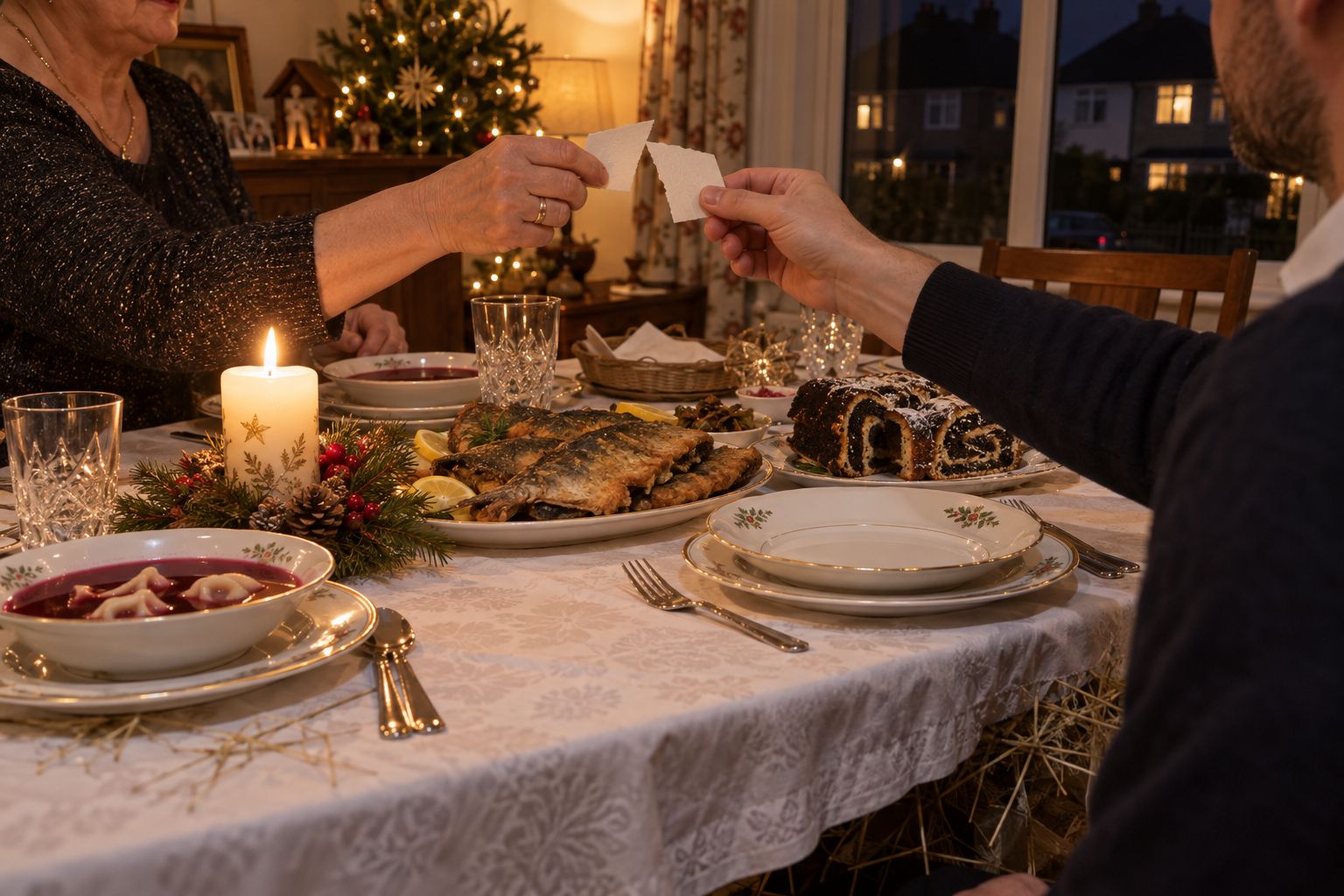
Two people breaking a white wafer over a Polish Christmas Eve table set with barszcz and carp
December 24

Wigilia, Polish Christmas Eve

The meal begins when the first star appears. Hay is placed under the white tablecloth to remember the manger, an empty place is set for an unexpected traveler, and before eating everyone breaks the opłatek wafer with every other person in the room and exchanges a wish for the year. Greenpoint's Polish bakeries sell out of poppy seed cake for days beforehand.

As a guest: the traditional supper is meat-free, with twelve dishes. Try a little of each. It is considered lucky.

Festival suppers 2026 to 2027

Dates for your calendar.

Tickets go on sale six weeks before each date and festival suppers usually sell out. Members get 48 hours' early access and 10% off.

GatheringDateWherePrice
Diwali sweets swap and supperSaturday, November 7, 2026Richmond Hill, Queens$40
Wigilia supper with TomaszThursday, December 17, 2026Hartfield Yard, Brooklyn$50
Burns Night supper and ceilidhSaturday, January 23, 2027St. Jude's Parish Hall$55
Lunar New Year dumpling afternoonSunday, February 7, 2027Sunset Park$30
Nowruz spring walk and picnicSaturday, March 20, 2027Prospect Park$25
Eid breakfast with Kensington familiesConfirmed after moon sightingKensington, BrooklynFree, donations welcome
Vaisakhi langar visitSunday, April 18, 2027Richmond Hill, QueensFree
Panyard night before CarnivalFriday, September 3, 2027Flatbush$20

Reserve a festival seat

The Cultunio guest code

Six habits that make you welcome anywhere.

Written with our community hosts after eight years of suppers. They apply whether you are at a gurdwara langar or a Bay Ridge ceilidh.

Ask, then listen

"What does this mean to you?" opens more doors than "What is this?". Let the answer run as long as it needs to.

Try a little of everything

Hosts notice what is left on plates. A small portion of each dish says more than a big portion of one.

Bring something small

Fruit, sweets or flowers are safe almost everywhere. Check before bringing alcohol into someone's home.

Follow the room

Shoes off, head covered, standing for a toast. If you are unsure, quietly watch what others do, or ask your host.

Phones down at the table

Ask before photographing people, prayers or altars. Some families are happy to share, some are not.

Offer to help clear

Even if the answer is no, the offer matters. In many households it is what turns a guest into a friend.

Host a tradition with us

Is your community's festival missing from our calendar?

We are looking for co-hosts for Hanukkah, Onam, Timkat, Juneteenth, Three Kings Day and the Day of the Dead. We cover venue and ingredient costs and pay every community cook $250 per supper.

  • You decide the menu, the music and what guests should know
  • We handle bookings, set-up, accessibility and washing up
  • Proceeds above costs go to a nonprofit of your choosing
Talk to Kwame about hosting
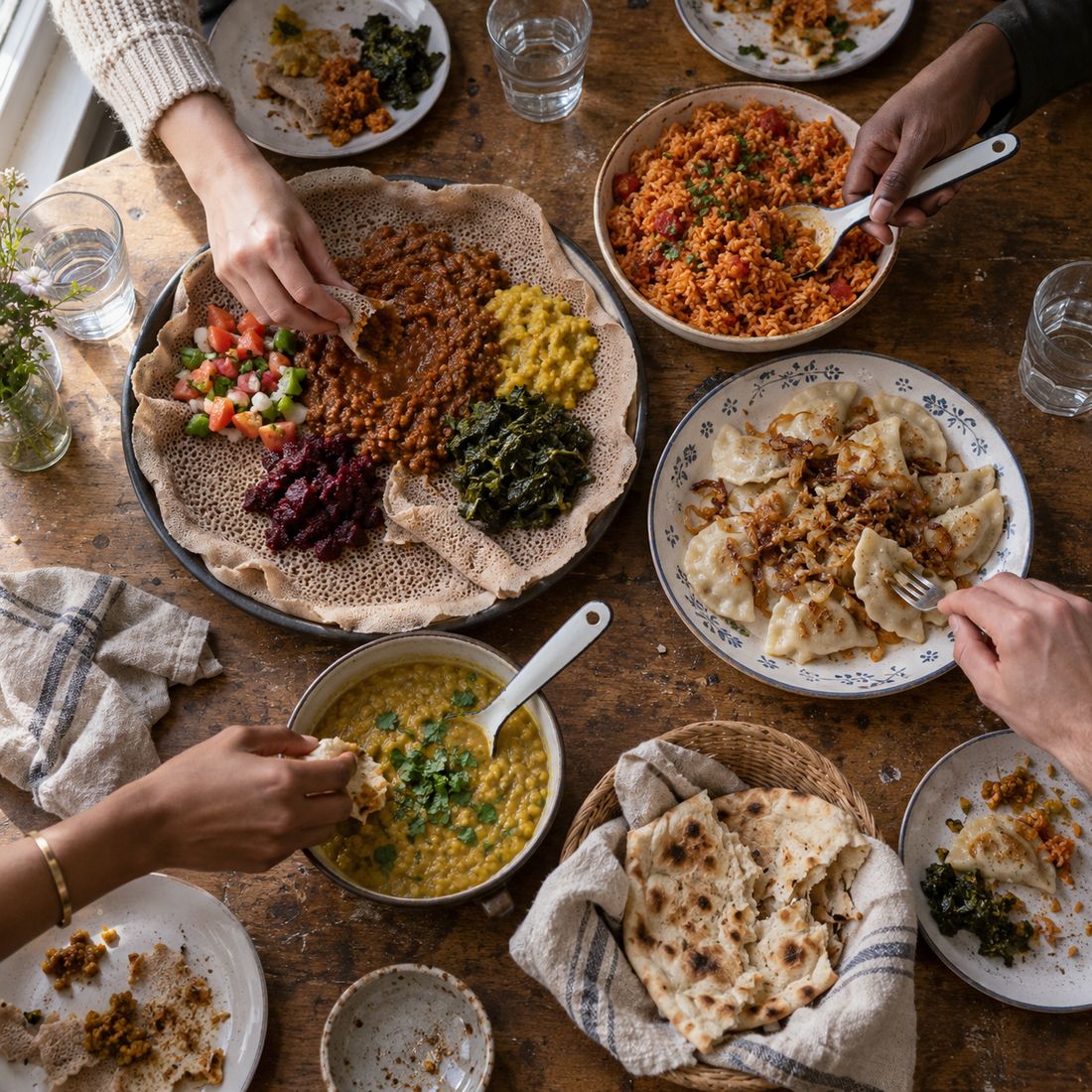
Guests reaching for injera, jollof rice, pierogi and dal at a shared supper